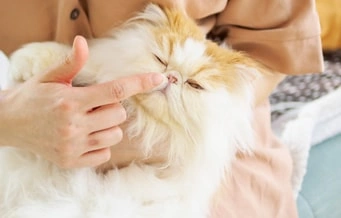
Amla (Phyllanthus emblica), also known as Indian gooseberry, is famous for one reason: it packs an unusually rich mix of vitamin C and protective polyphenols. That combination is why amla shows up again and again in modern wellness research—and why it’s increasingly explored in science backed herbal pet care routines for daily vitality.
Turmeric (Curcuma longa) has long been valued as a golden healer for inflamed and compromised skin. Beyond its vivid color, this botanical is widely studied for its ability to reduce inflammation, neutralize oxidative stress, and support tissue recovery—making it a cornerstone ingredient in modern botanical pet skin care.
Oriental Arborvitae Leaf (Platycladus orientalis), often overlooked for its subtle presence, has long been valued in traditional herbal medicine for its ability to calm irritation, protect the skin, and support internal balance. Rather than acting aggressively, this botanical works quietly—strengthening the skin’s defenses over time.
Mugwort (Artemisia argyi) has been used for centuries in traditional herbal medicine to calm itching, dispel internal imbalance, and support the body’s natural defenses. Today, its value is being rediscovered in modern botanical pet skin care, especially for dogs and cats suffering from persistent, unexplained skin sensitivity.
Kelp (marine brown seaweed) has long been valued as a nutrient-dense gift from the ocean. Rich in minerals, polysaccharides, and antioxidants, Kelp plays a unique role in supporting skin barrier integrity and coat vitality—two foundations of long-term skin health.
Gotu Kola (Centella asiatica) is often called the “herb of longevity” for its remarkable ability to support tissue regeneration and long-term skin resilience. Unlike botanicals that focus on rapid soothing or short-term relief, Gotu Kola works quietly and persistently—helping skin rebuild itself from repeated stress and damage.
Chamomile (Matricaria chamomilla and Chamaemelum nobile) has been cherished for centuries as one of nature’s gentlest healers. Known for its calming, anti-inflammatory, and skin-soothing properties, chamomile has become a beloved ingredient in modern pet wellness. Whether supporting emotional comfort or easing skin sensitivities, chamomile offers a naturally balanced way to keep pets healthy, relaxed, and comfortable every day.
Tea Tree Oil (Melaleuca alternifolia) has long been valued for its potent natural antimicrobial, antifungal, and deodorizing properties. Often used in human skincare for its ability to fight bacteria and soothe irritation, Tea Tree Oil—when properly diluted—can offer similar benefits in pet care.
Bright, sweet, and full of vitality—persimmon (Diospyros kaki) is more than a seasonal treat. In natural pet care, this vibrant fruit is gaining attention for its ability to deodorize, protect, and refresh. Rich in antioxidants, tannins, and vitamins, persimmon extract helps support skin health, coat freshness, and odor control, making it a natural choice for daily grooming and wellness.
For ages, honeysuckle has been esteemed for its soft fragrance and curative properties. In addition to its beauty, this modest flower provides remarkable natural benefits that can comfort, calm, and protect our pets—offering a natural approach to support their well-being from nose to tail.
Inspired by Nature, Guided by Science
Copyright © 2025 by Phytopaw Pet Health Limite All Rights Reserved