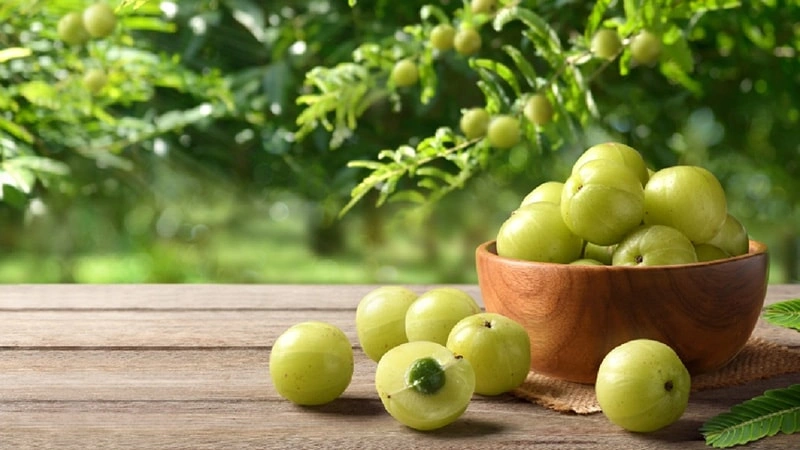
Amla (Phyllanthus emblica), also known as Indian gooseberry, is famous for one reason: it packs an unusually rich mix of vitamin C and protective polyphenols. That combination is why amla shows up again and again in modern wellness research—and why it’s increasingly explored in science backed herbal pet care routines for daily vitality.
For pets, “vitality” often shows up in simple, visible ways: a smoother coat, better bounce after outdoor stress, and skin that stays calm instead of reactive. That’s where amla fits naturally into botanical pet skin care—not as a harsh “quick fix,” but as a steady support ingredient.
And because many families are managing sensitive skin dogs and cats, ingredients that support oxidative balance without irritating the skin barrier matter more than ever.
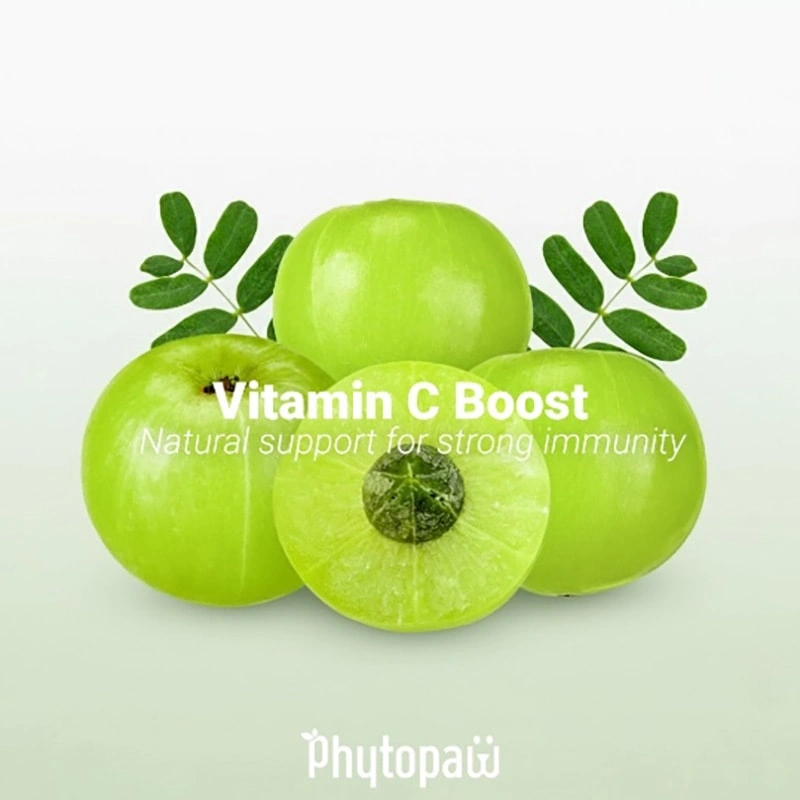
Amla is a fruit traditionally used across multiple health systems. Modern reviews highlight that its value is not only “vitamin C,” but also a broad set of polyphenols/tannins (including well-studied tannoid fractions and compounds often discussed alongside antioxidant pathways).
This matters because vitamin C works best in context—paired with other protective molecules that help stabilize oxidative stress and support recovery processes.
Daily life creates “micro-stress” for pets:
· Sun and heat on walks
· Urban pollutants and seasonal allergens
· Frequent wiping, bathing, or grooming friction
In research across mammalian models, amla-related tannoid and phenolic fractions have been investigated for antioxidant effects (including enzyme-related antioxidant markers and lipid peroxidation outcomes). While these are not direct “pet clinical claims,” they help explain why amla is widely positioned as a resilience-support botanical.
1) Antioxidant support for coat shine and skin comfort
Oxidative stress can make coats look dull and can worsen the “itch-scratch” cycle in fragile skin. Amla’s polyphenols and tannoid principles have been studied for antioxidant activity in multiple experimental settings.
2) Barrier-friendly daily use
Amla is commonly discussed as a “support” ingredient rather than an aggressive active—making it easier to fit into routines designed for sensitive skin dogs and cats where consistency matters more than intensity.
3) A broader phytochemical profile (beyond one hero compound)
Analytical work has identified multiple phenolics in amla preparations (including gallic/ellagic-acid related compounds), reinforcing the idea that “amla” is a multi-compound ingredient, not a single-molecule story.
Coat Care should do two things at once:
1. Keep the coat looking clean, smooth, and touchable
2. Keep the skin underneath steady—especially after outdoor exposure and daily grooming
Amla fits this naming logic because it supports “fresh resilience”: vitamin C + polyphenols for daily oxidative balance, without relying on harsh stripping or heavy masking. This is why amla is often chosen as a “vitality backbone” botanical in coat-focused formulas.
Our Coat Care product is a leave-on grooming format (spray/mist/serum), a practical routine is:
· Apply lightly to the coat (avoid eyes/nose/mouth)
· Massage through with hands or a soft brush
· Use after walks, before brushing, or between baths
For pets with ongoing discomfort, always defer to a veterinarian—especially if there is broken skin, infection signs, or persistent redness.
References
1. Ahmad B, et al. Phyllanthus emblica: A comprehensive review of its therapeutic benefits. South African Journal of Botany (2021).
2. Gul M, et al. Functional and Nutraceutical Significance of Amla (Phyllanthus emblica L.): A Review. Antioxidants (2022).
3. Tilahun M, et al. Fresh Phyllanthus emblica (Amla) Fruit Supplementation… Antioxidants (2022).
4. Rose K, et al. Phenolic compounds isolated and identified from amla… Natural Product Communications (2018).
5. Husain I, et al. Tannins Enriched Fraction of Emblica officinalis Fruits… Frontiers in Pharmacology (2018).
6. Bhattacharya A, et al. Effect of bioactive tannoid principles of Emblica officinalis on iron-induced hepatic toxicity in rats. Phytomedicine (2000).
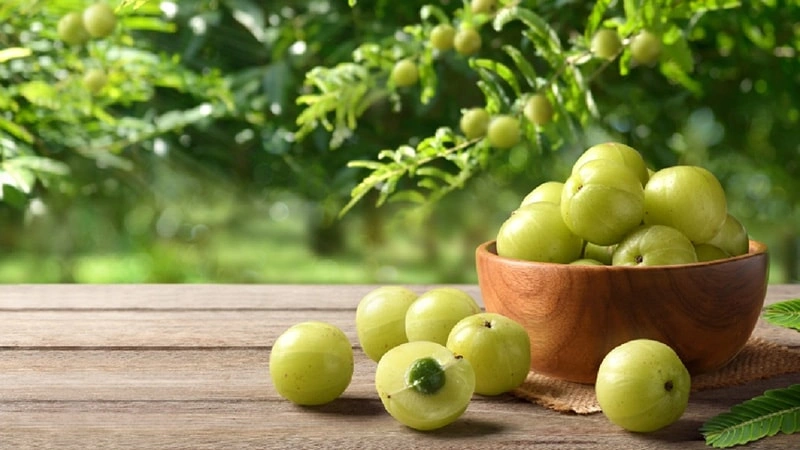
Amla (Phyllanthus emblica), also known as Indian gooseberry, is famous for one reason: it packs an unusually rich mix of vitamin C and protective polyphenols. That combination is why amla shows up again and again in modern wellness research—and why it’s increasingly explored in science backed herbal pet care routines for daily vitality.
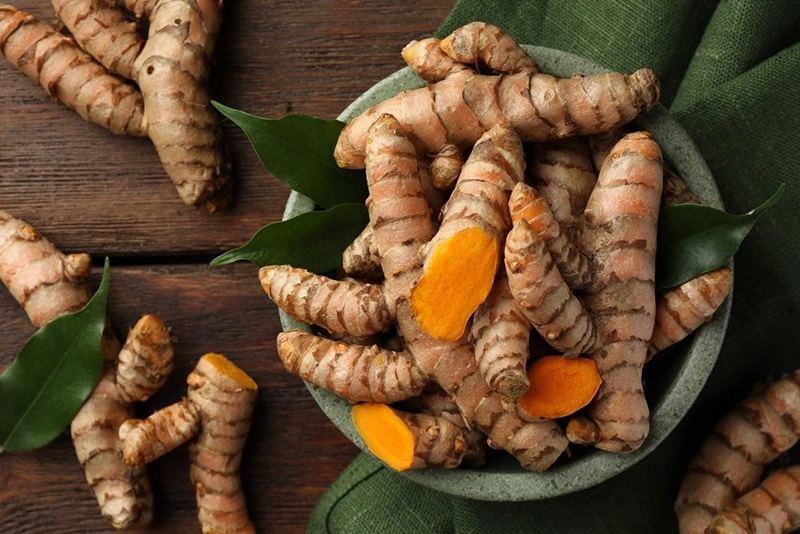
Turmeric (Curcuma longa) has long been valued as a golden healer for inflamed and compromised skin. Beyond its vivid color, this botanical is widely studied for its ability to reduce inflammation, neutralize oxidative stress, and support tissue recovery—making it a cornerstone ingredient in modern botanical pet skin care.
Oriental Arborvitae Leaf (Platycladus orientalis), often overlooked for its subtle presence, has long been valued in traditional herbal medicine for its ability to calm irritation, protect the skin, and support internal balance. Rather than acting aggressively, this botanical works quietly—strengthening the skin’s defenses over time.
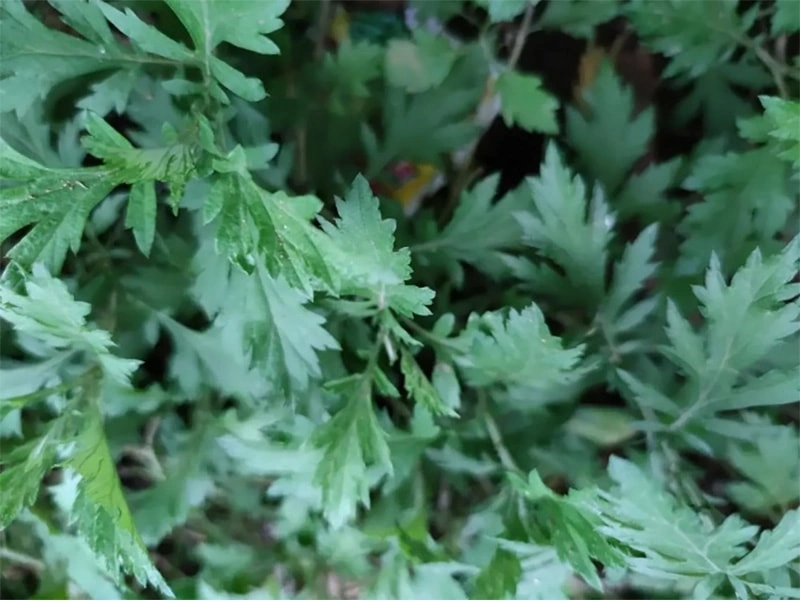
Mugwort (Artemisia argyi) has been used for centuries in traditional herbal medicine to calm itching, dispel internal imbalance, and support the body’s natural defenses. Today, its value is being rediscovered in modern botanical pet skin care, especially for dogs and cats suffering from persistent, unexplained skin sensitivity.

Kelp (marine brown seaweed) has long been valued as a nutrient-dense gift from the ocean. Rich in minerals, polysaccharides, and antioxidants, Kelp plays a unique role in supporting skin barrier integrity and coat vitality—two foundations of long-term skin health.

Gotu Kola (Centella asiatica) is often called the “herb of longevity” for its remarkable ability to support tissue regeneration and long-term skin resilience. Unlike botanicals that focus on rapid soothing or short-term relief, Gotu Kola works quietly and persistently—helping skin rebuild itself from repeated stress and damage.
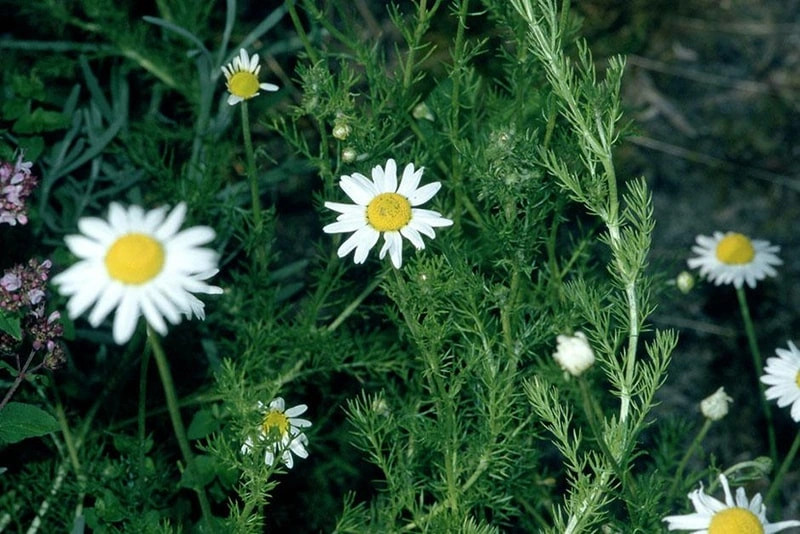
Chamomile (Matricaria chamomilla and Chamaemelum nobile) has been cherished for centuries as one of nature’s gentlest healers. Known for its calming, anti-inflammatory, and skin-soothing properties, chamomile has become a beloved ingredient in modern pet wellness. Whether supporting emotional comfort or easing skin sensitivities, chamomile offers a naturally balanced way to keep pets healthy, relaxed, and comfortable every day.
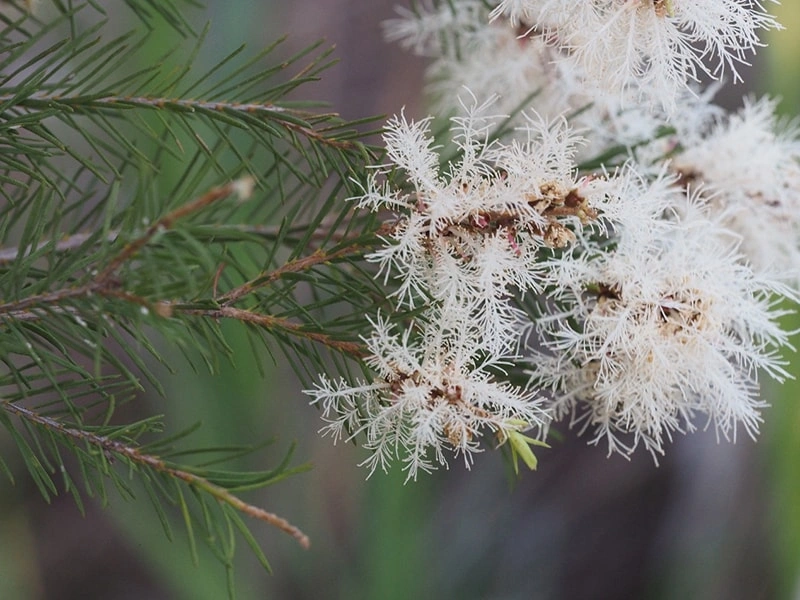
Tea Tree Oil (Melaleuca alternifolia) has long been valued for its potent natural antimicrobial, antifungal, and deodorizing properties. Often used in human skincare for its ability to fight bacteria and soothe irritation, Tea Tree Oil—when properly diluted—can offer similar benefits in pet care.
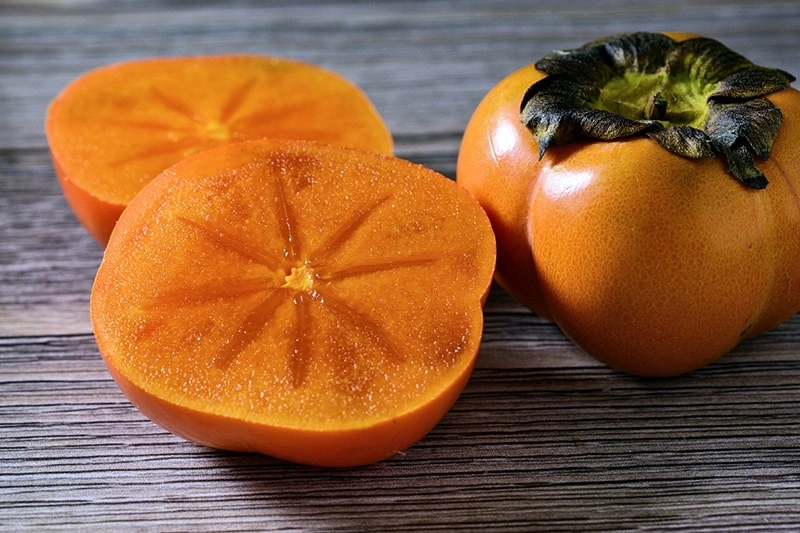
Bright, sweet, and full of vitality—persimmon (Diospyros kaki) is more than a seasonal treat. In natural pet care, this vibrant fruit is gaining attention for its ability to deodorize, protect, and refresh. Rich in antioxidants, tannins, and vitamins, persimmon extract helps support skin health, coat freshness, and odor control, making it a natural choice for daily grooming and wellness.
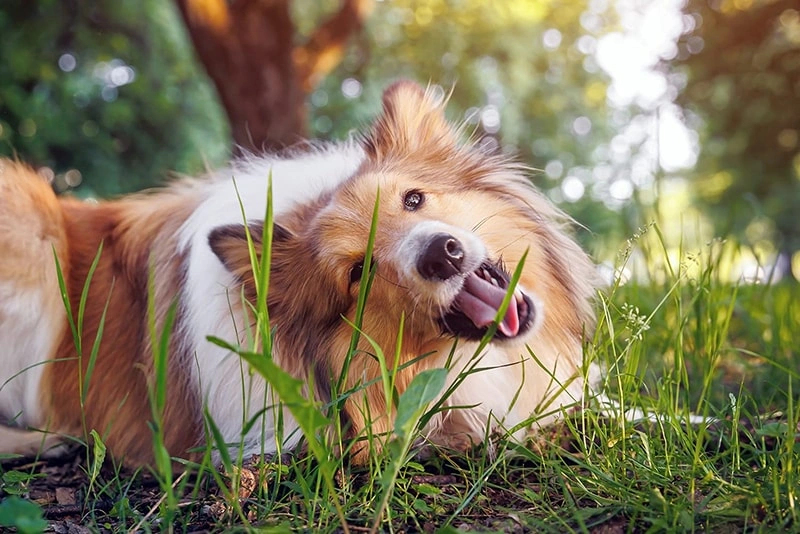
For ages, honeysuckle has been esteemed for its soft fragrance and curative properties. In addition to its beauty, this modest flower provides remarkable natural benefits that can comfort, calm, and protect our pets—offering a natural approach to support their well-being from nose to tail.
Copyright © 2025 by Phytopaw Pet Health Limite All Rights Reserved