If your cat already has gum irritation or oral discomfort, you don’t need a long “training plan.” You need safe, low-stress support that reduces pain triggers, keeps the mouth cleaner, and helps you spot when it’s time for a vet.
Below is a cat-only, illness-focused guide—no “gradual process,” no extra stages.
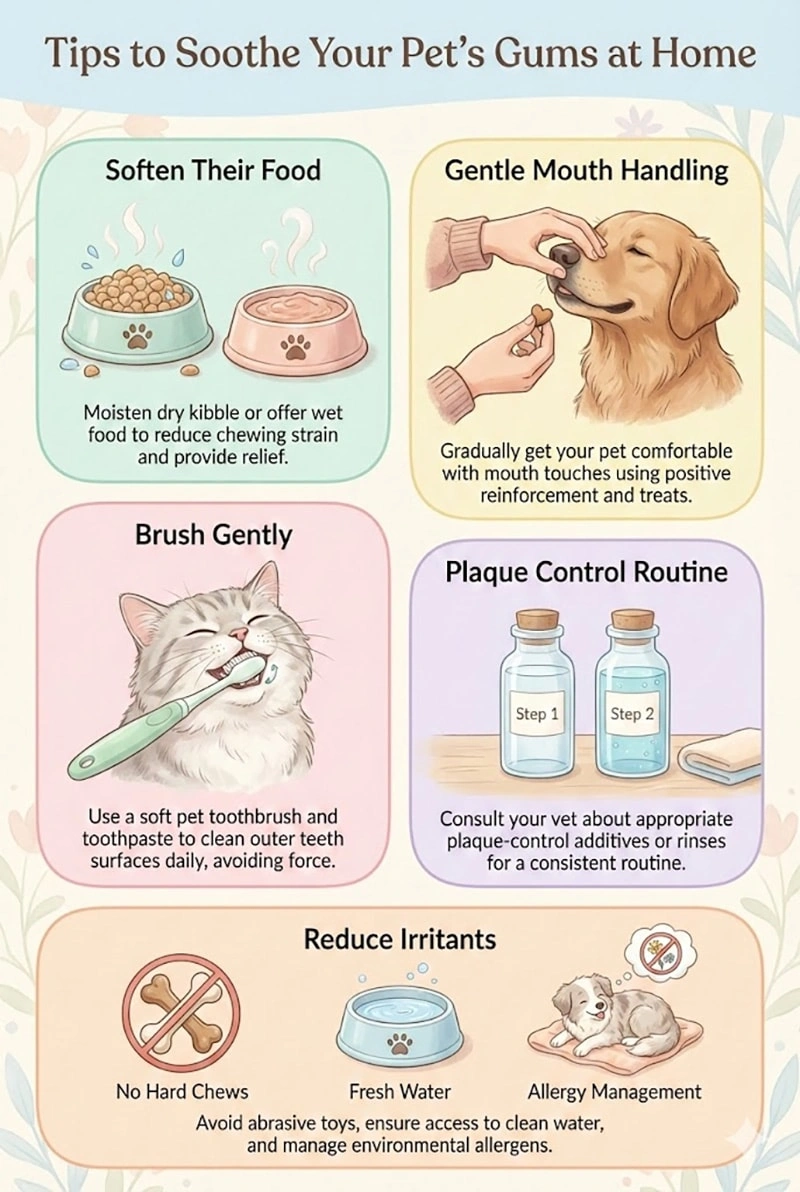
1) Feed “soft only” to reduce pain triggers
For the next few days, remove anything that scrapes sore gums:
· Wet food only, or kibble fully softened with warm water
· No freeze-dried chunks, crunchy treats, bones, hard chews
· Serve food slightly warm (smellier = easier to eat)
If your cat stops eating, that’s urgent—cats shouldn’t go long without food.
2) Keep the mouth area clean—without forcing brushing
When gums are irritated, forcing brushing often backfires. Instead:
· Use a soft, damp gauze pad to wipe only what you can see (front teeth/gumline)
· Stop immediately if your cat resists strongly
· Don’t put cotton swabs deep into the mouth, and don’t scrape tartar
Goal: reduce surface debris gently, not “deep cleaning.”
3) Use Oral Heal Gel as supportive comfort care (targeted, gentle)
For cats with visible gum redness, small sore spots, or mild oral sensitivity, Oral Heal Gel can be used as a simple daily support.
Why it helps (realistic expectations):
· Adds hydration and comfort to irritated oral tissue
· Forms a gentle protective layer on sensitive areas
· Supports a cleaner-feeling oral environment as part of daily care
Pet care
How to use (simple):
· Apply a small amount along the visible irritated gumline
· Once daily is a practical baseline (more consistent matters more than “more often”)
· Don’t scrub—just apply and let it sit
This fits a science backed herbal pet care style of support: calm, daily care rather than harsh “one-time fixes.”
Insert your product link here: Oral Heal Gel — [link]
4) Reduce common flare triggers (fast wins)
· Keep water bowls very clean (replace water daily, wash bowls often)
· Avoid strong-smelling cleaners near food/water areas
· Reduce stress where possible (multi-cat homes often worsen oral flare-ups through stress)

· Strong ongoing bad breath
· Bright red or swollen gumline
· Drooling, pawing at the mouth
· Chewing strangely, dropping food, refusing dry food
· Obvious tartar near the gumline
Urgent (same day / ASAP)
· Refusing food or eating far less than normal
· Blood in saliva, persistent bleeding
· Facial swelling or one-side swelling
· Pus-like discharge, severe odor suddenly worse
· Hiding, sudden aggression, or obvious pain when the face is touched
One-Line Truth (So You Don’t Waste Time)
Home care can support comfort, but if your cat has tartar, loose teeth, or deep gum inflammation, the real fix often requires a veterinary dental exam and cleaning.
References
1. American Veterinary Dental College (AVDC). Periodontal Disease in Pets.
2. World Small Animal Veterinary Association (WSAVA). Global Dental Guidelines for Dogs and Cats.
3. American Animal Hospital Association (AAHA). Dental Care Guidelines for Dogs and Cats.
4. Lommer MJ, Verstraete FJM. Oral inflammatory diseases in the cat. Veterinary Clinics of North America: Small Animal Practice.
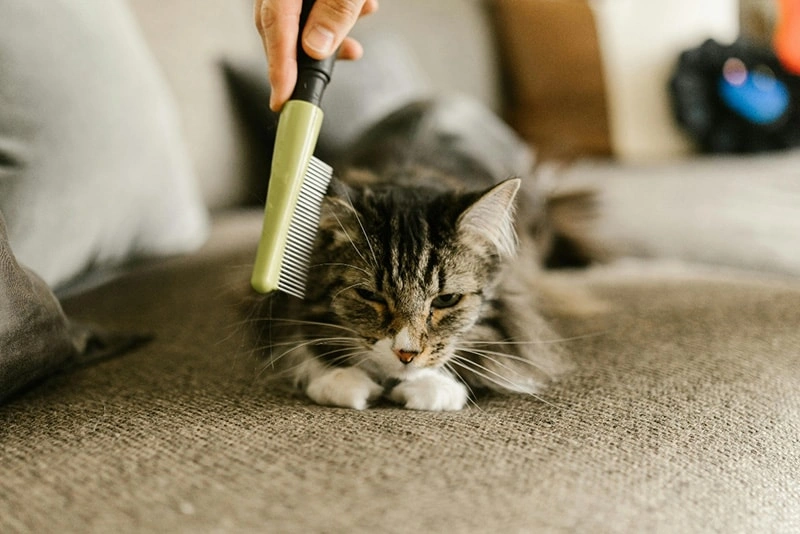
Hair loss in dogs and cats can look scary, but most cases follow a simple pattern: something is irritating the skin, your pet scratches/licks, the skin barrier weakens, and hair starts to thin or fall out. The key is to remove the trigger, calm the skin, and protect regrowth—while watching for signs that need a vet.

If your cat already has gum irritation or oral discomfort, you don’t need a long “training plan.” You need safe, low-stress support that reduces pain triggers, keeps the mouth cleaner, and helps you spot when it’s time for a vet.

Itching is one of the most common signs of skin discomfort in dogs and cats. While parasites or environmental factors can cause temporary scratching, many pets experience persistent, recurring itchiness without an obvious external trigger.

Dental disease is one of the most common yet frequently overlooked health conditions in dogs and cats. Research shows that over 70–80% of pets develop some form of dental disease by the age of three, often before owners notice any obvious symptoms.
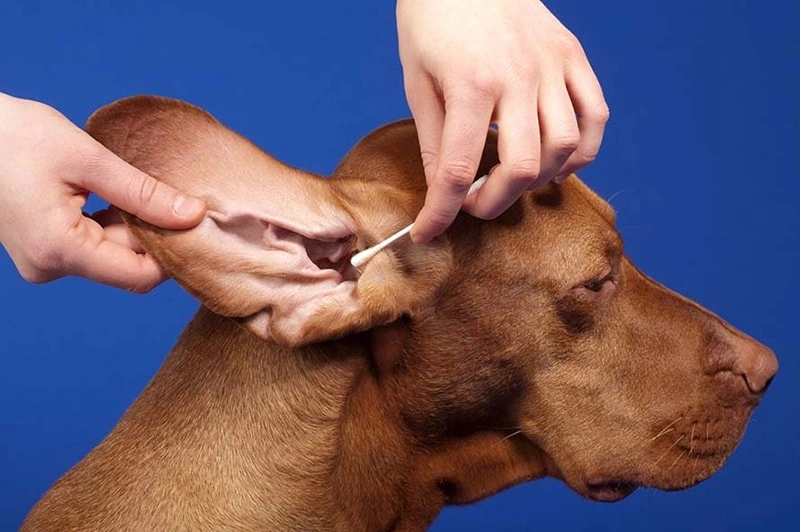
Ear care is one of the most overlooked parts of pet health. Whether you have a dog that loves outdoor play or a cat that enjoys quiet time indoors, clean ears are essential for comfort, hearing, and long-term wellness. Many pet parents ask the same questions: Should I clean my pet’s ears? How often? And what is the safest method?

If you've ever watched your dog or cat nibble on grass during a walk or in your backyard, you're not alone. Grass-eating is one of the most common—and most misunderstood—pet behaviors. Many pet parents ask the same questions: Why does my pet eat grass? And more importantly, is it safe or harmful?

Want to safely and joyfully pet a dog, especially one you don't know? Learn the 3 steps to canine consent and discover the absolute best (and worst) places to pet a dog, according to experts.

Stop guessing! Learn the key factors—coat type, skin condition, and lifestyle—that determine the ideal bathing frequency for your dog and cat, according to veterinary guidance.

Just like humans, pets go through different stages in life, and their nutritional needs change along the way. Understanding these changes helps pet parents provide the right care so their furry friends can grow strong, stay healthy, and enjoy a long, happy life. A thoughtful diet, tailored to the specific demands of each life stage, is the most crucial step in ensuring lifelong vitality and well-being.
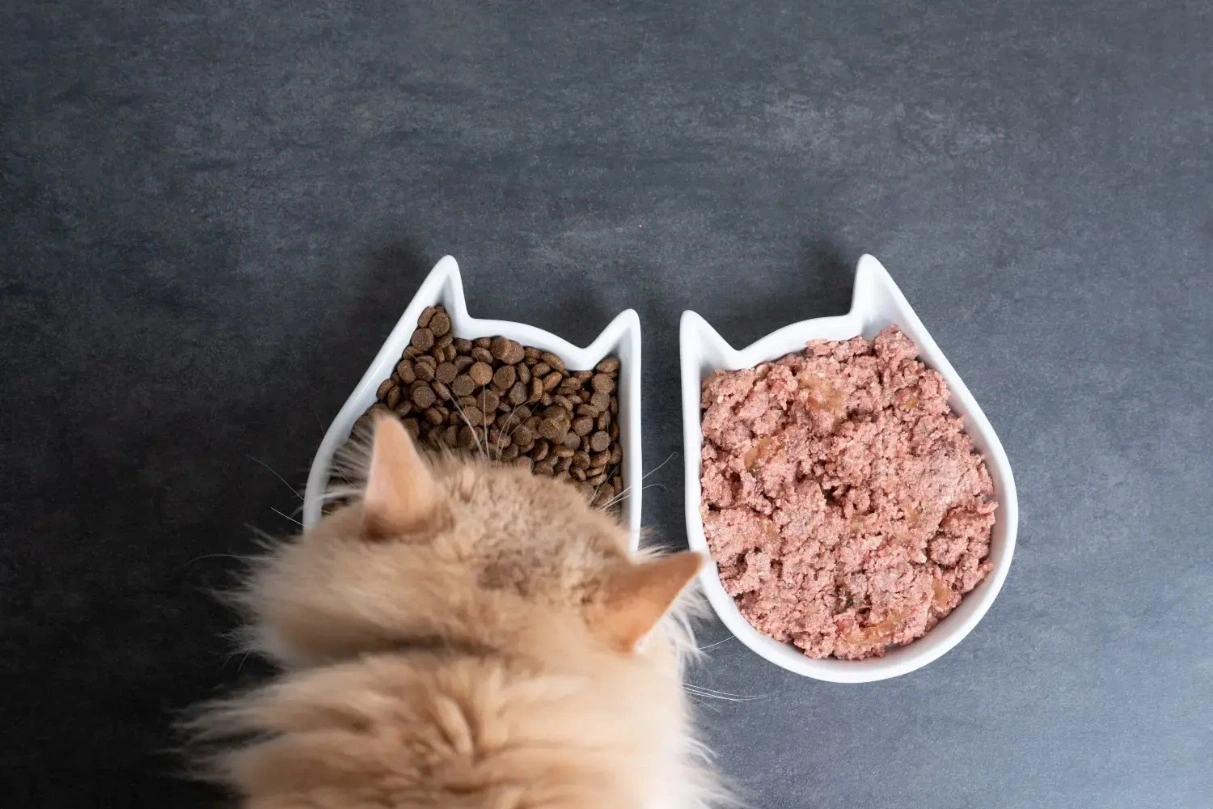
Choosing between wet food (canned or pouches) and dry food (kibble) is one of the most fundamental decisions a pet parent makes. There is no single "best" answer, as the optimal choice depends heavily on your pet’s species, age, health status, and even their preferences—a personalized approach that echoes the importance of tailored nutrition we've discussed before.
Copyright © 2025 by Phytopaw Pet Health Limite All Rights Reserved