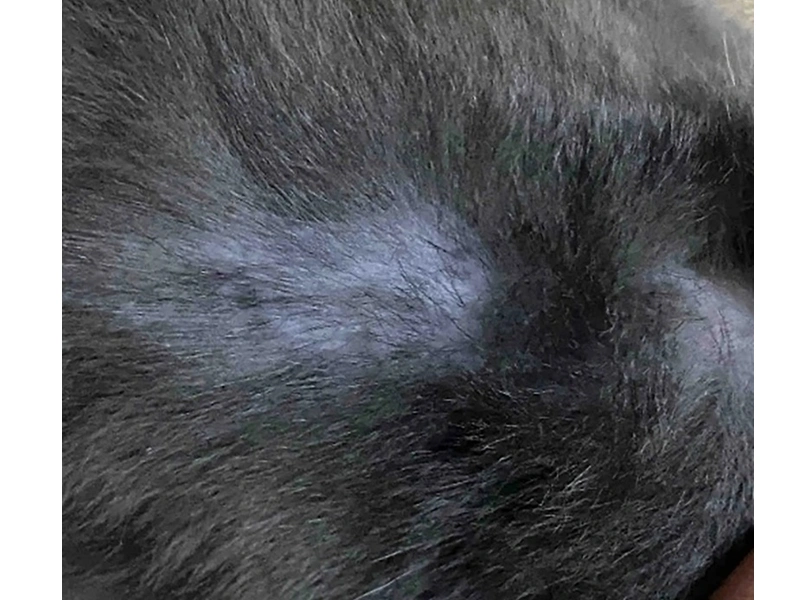
Hair loss in dogs and cats can look scary, but most cases follow a simple pattern: something is irritating the skin, your pet scratches/licks, the skin barrier weakens, and hair starts to thin or fall out. The key is to remove the trigger, calm the skin, and protect regrowth—while watching for signs that need a vet.
1) Itch-driven skin irritation (allergies/sensitive skin)
This is the #1 pattern: redness + scratching/licking + thinning fur, often on paws, belly, face, or ears.
2) Parasites (fleas/mites) — even if you don’t see them
A few flea bites can trigger major hair loss in sensitive pets.
3) Skin infections (bacteria/yeast/fungal)
Often shows up with odor, greasy feel, crusts, pimples, or moist “hot spots.”
4) Stress/over-grooming (especially cats)
Cats may lick the belly/legs until bald, sometimes with skin that looks “normal.”
5) Nutrition or internal health (less common, but important)
Poor diet balance, digestive issues, or hormonal disorders can cause gradual thinning.
1) Start flea control and clean the environment
Even if you don’t see fleas, treat this as step one.
· Use consistent, vet-recommended flea prevention
· Wash bedding weekly, vacuum frequently
2) Stop the itch-lick-shed cycle
Hair won’t regrow if the skin stays inflamed.
· Keep nails trimmed
· Prevent nonstop licking (soft cone if needed)
· Avoid irritants: strong cleaners, fragrances, harsh wipes
This steady approach supports gentle daily skin care for pets and helps many sensitive skin dogs and cats.
3) Switch to barrier-safe bathing and handling
Over-bathing makes many cases worse.
· Bathe only when truly needed
· Use mild, pet-safe shampoo
· Rinse very thoroughly (leftover residue can trigger itching)
· Dry completely, especially belly and paws
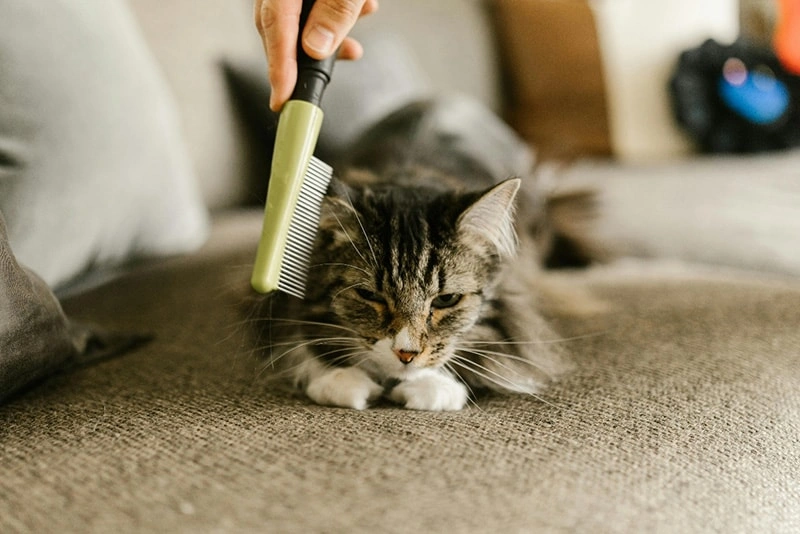
4) Control “repeat triggers” at home
· Wipe paws/belly after outdoor time (pollen/irritants)
· Keep bedding clean
· Keep routines consistent during seasonal flare-ups
This is the practical side of immune balanced pet care: consistent habits that reduce flare frequency.
5) Feed for regrowth (keep it stable)
· Use a complete, balanced diet
· Don’t switch foods repeatedly during flare-ups
· Ask your vet about omega-3 support if coat is dull or skin is inflamed
Book a vet visit if you notice:
· Rapid spreading bald patches
· Strong odor, greasy skin, crusts, pus, or bleeding
· Your pet seems painful, won’t sleep, or won’t stop scratching
· Appetite/energy changes or weight change
· No improvement after 10–14 days of consistent home care
Most hair loss improves when you:
(1) control parasites, (2) calm itch, (3) protect the skin barrier, (4) reduce triggers, and (5) support nutrition—and see a vet quickly if infection or systemic illness is suspected. This is a calm, science backed herbal pet care style of problem-solving: gentle routines, consistent support, and timely escalation when needed.
References
· American Veterinary College of Dermatology (AVCD). Skin Diseases of Dogs and Cats.
· Merck Veterinary Manual. Dermatologic Disorders in Dogs and Cats.
· World Small Animal Veterinary Association (WSAVA). Global Guidelines and Resources.
· Miller WH, Griffin CE, Campbell KL. Muller & Kirk’s Small Animal Dermatology.
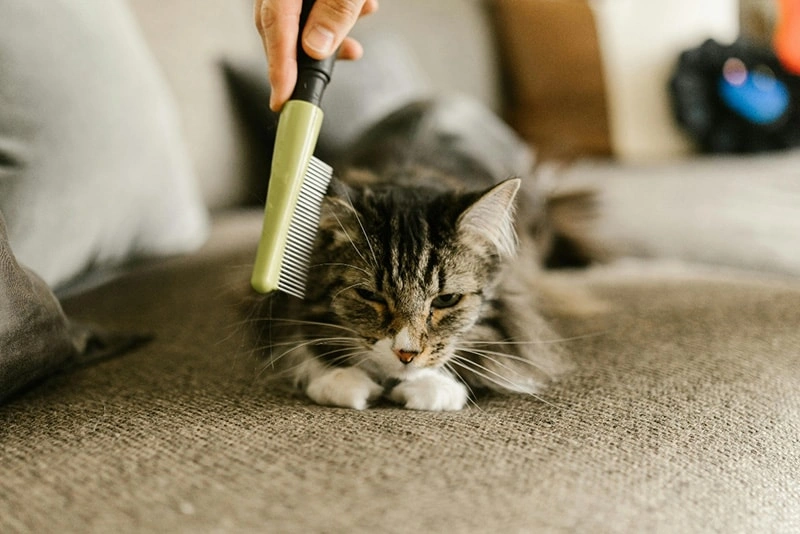
Hair loss in dogs and cats can look scary, but most cases follow a simple pattern: something is irritating the skin, your pet scratches/licks, the skin barrier weakens, and hair starts to thin or fall out. The key is to remove the trigger, calm the skin, and protect regrowth—while watching for signs that need a vet.

If your cat already has gum irritation or oral discomfort, you don’t need a long “training plan.” You need safe, low-stress support that reduces pain triggers, keeps the mouth cleaner, and helps you spot when it’s time for a vet.

Itching is one of the most common signs of skin discomfort in dogs and cats. While parasites or environmental factors can cause temporary scratching, many pets experience persistent, recurring itchiness without an obvious external trigger.

Dental disease is one of the most common yet frequently overlooked health conditions in dogs and cats. Research shows that over 70–80% of pets develop some form of dental disease by the age of three, often before owners notice any obvious symptoms.
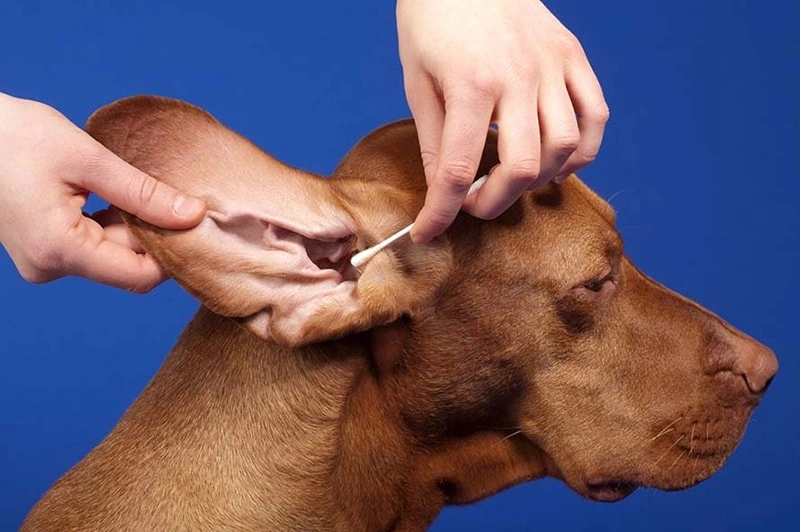
Ear care is one of the most overlooked parts of pet health. Whether you have a dog that loves outdoor play or a cat that enjoys quiet time indoors, clean ears are essential for comfort, hearing, and long-term wellness. Many pet parents ask the same questions: Should I clean my pet’s ears? How often? And what is the safest method?

If you've ever watched your dog or cat nibble on grass during a walk or in your backyard, you're not alone. Grass-eating is one of the most common—and most misunderstood—pet behaviors. Many pet parents ask the same questions: Why does my pet eat grass? And more importantly, is it safe or harmful?

Want to safely and joyfully pet a dog, especially one you don't know? Learn the 3 steps to canine consent and discover the absolute best (and worst) places to pet a dog, according to experts.

Stop guessing! Learn the key factors—coat type, skin condition, and lifestyle—that determine the ideal bathing frequency for your dog and cat, according to veterinary guidance.

Just like humans, pets go through different stages in life, and their nutritional needs change along the way. Understanding these changes helps pet parents provide the right care so their furry friends can grow strong, stay healthy, and enjoy a long, happy life. A thoughtful diet, tailored to the specific demands of each life stage, is the most crucial step in ensuring lifelong vitality and well-being.
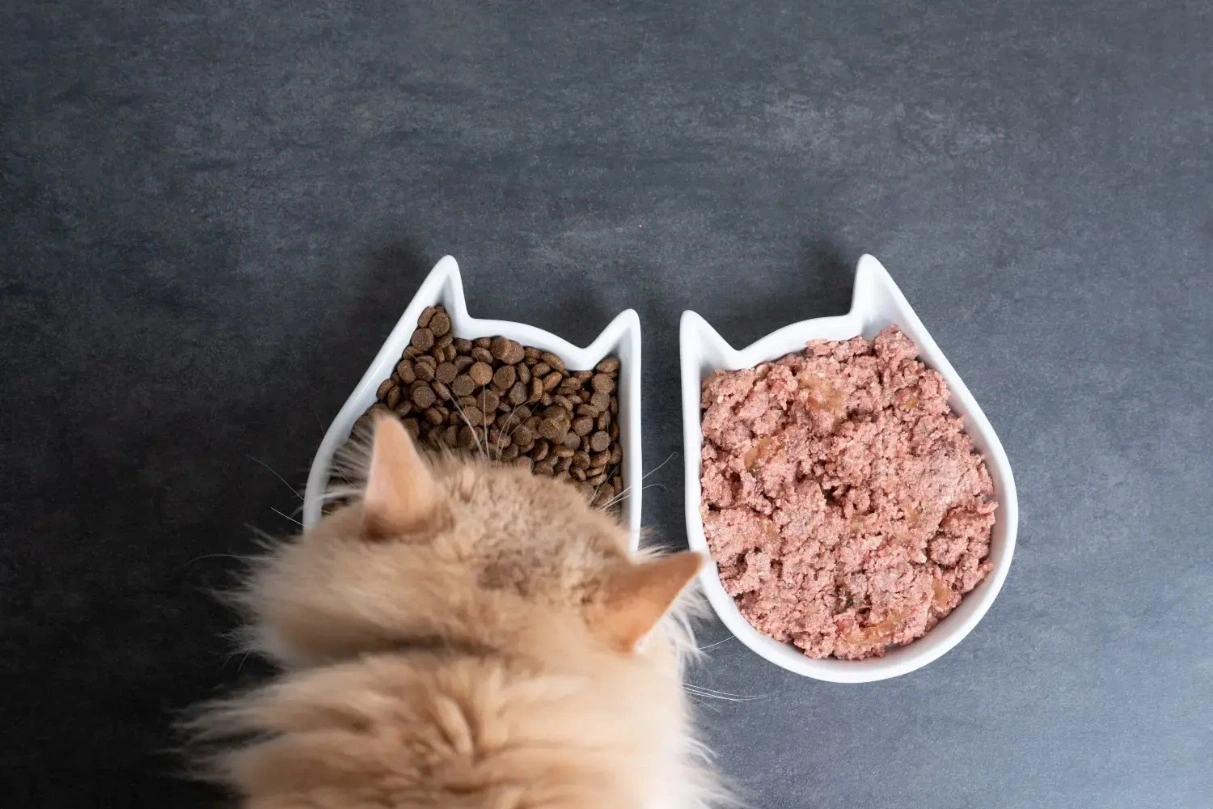
Choosing between wet food (canned or pouches) and dry food (kibble) is one of the most fundamental decisions a pet parent makes. There is no single "best" answer, as the optimal choice depends heavily on your pet’s species, age, health status, and even their preferences—a personalized approach that echoes the importance of tailored nutrition we've discussed before.
Copyright © 2025 by Phytopaw Pet Health Limite All Rights Reserved